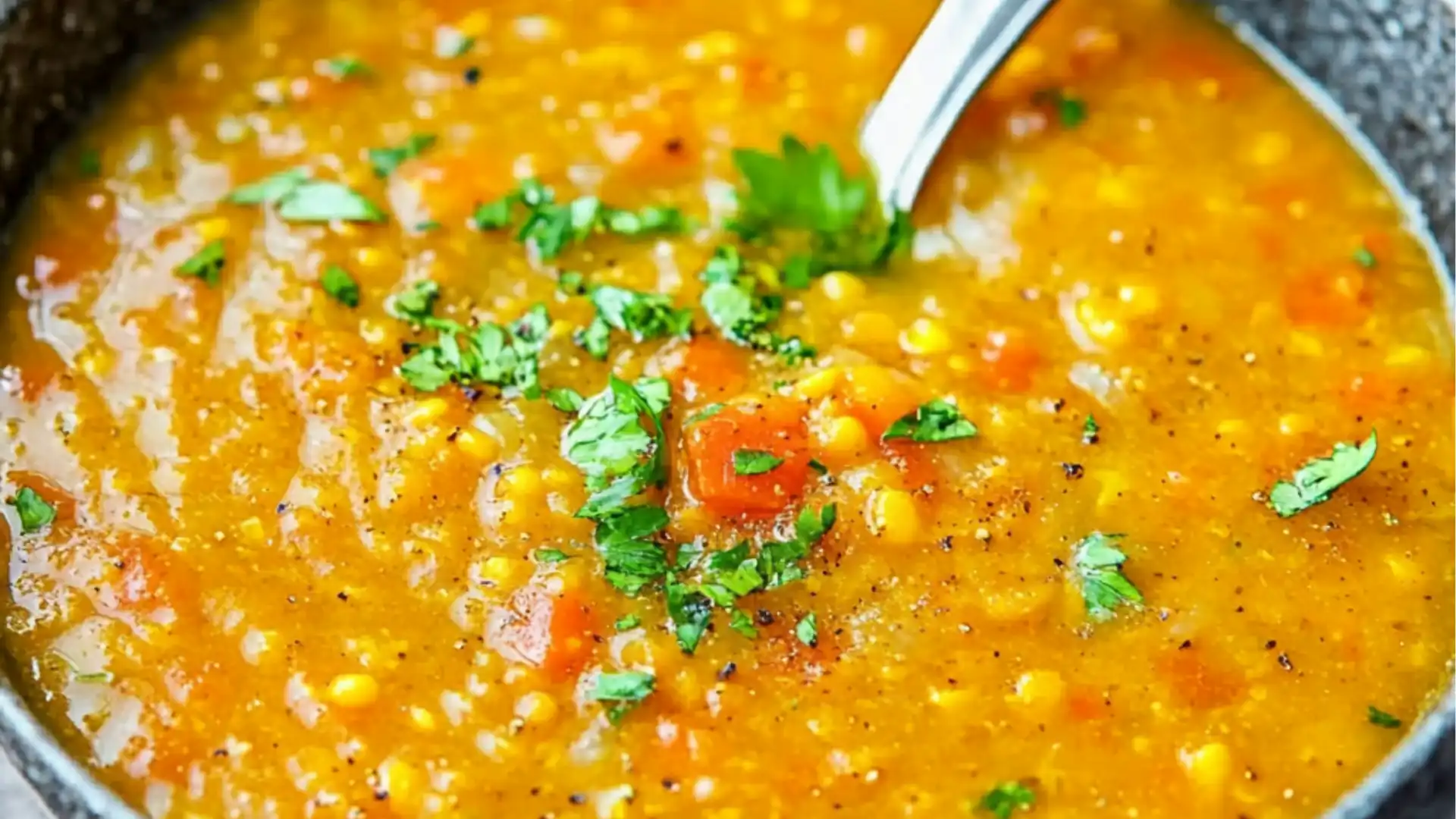
Embracing the Heartwarming Appeal of Red Lentil Soup
There are few dishes that can rival the comforting embrace and universal appeal of a well-made red lentil soup. This humble yet incredibly versatile culinary creation has graced tables across countless cultures for centuries, offering warmth, nourishment, and a burst of flavor. Whether you're seeking a quick weeknight meal, a hearty lunch, or a soothing bowl on a chilly evening, red lentil soup consistently delivers. Its vibrant color, creamy texture, and ability to absorb a myriad of spices make it a favorite for home cooks and seasoned chefs alike. In this article, we'll dive deeper into what makes this soup so special, exploring its nutritional benefits, diverse preparations, and tips for crafting your ultimate bowl of goodness. If you're looking for more foundational insights into this beloved dish, you might want to check out our initial deep dive into its origins and basic recipes in red lentil soup - Article 1.
The Allure of Red Lentil Soup: A Culinary Journey
What gives red lentil soup its undeniable charm? It's more than just its simple ingredients; it's the magical transformation that occurs as red lentils break down, creating a naturally thick and velvety base. Unlike many other legumes, red lentils cook relatively quickly and don't require pre-soaking, making them an ideal choice for busy schedules. Their mild, slightly sweet flavor acts as a perfect canvas for a spectrum of aromatic spices and herbs.
A Staple Across Cultures
The global footprint of red lentil soup is vast and varied. In Middle Eastern and Mediterranean cuisines, it often features prominent notes of lemon, mint, and cumin, providing a bright, tangy profile. Turkish mercimek çorbası is a prime example, often pureed to a silky consistency and garnished with a drizzle of chili-infused butter. In India, red lentils (masoor dal) are fundamental to countless dal recipes, which can range from thick, rustic stews to thinner, more soupy concoctions, seasoned with garam masala, turmeric, and ginger. Each culture brings its unique twist, showcasing the incredible adaptability of this simple ingredient.
Nutritional Powerhouse in a Bowl
Beyond its comforting taste, red lentil soup is a nutritional superstar. Red lentils are an excellent source of plant-based protein, making them a fantastic option for vegetarians, vegans, and anyone looking to reduce their meat consumption. They are also remarkably high in dietary fiber, which aids digestion, promotes satiety, and helps regulate blood sugar levels. Furthermore, these tiny legumes pack a punch of essential minerals and vitamins, including:
- Iron: Crucial for oxygen transport and energy levels.
- Folate: Important for cell growth and function.
- Manganese: An antioxidant that supports bone health and metabolism.
- B Vitamins: Essential for energy production and nervous system health.
When combined with an array of vegetables and spices, a bowl of red lentil soup becomes a complete, wholesome, and incredibly satisfying meal.
Crafting the Perfect Red Lentil Soup: Tips and Techniques
While the basic concept of red lentil soup is straightforward, a few key techniques and considerations can elevate your soup from good to truly exceptional. Mastering these elements will empower you to create a consistently delicious and deeply flavorful dish every time.
Choosing Your Ingredients Wisely
The foundation of any great soup lies in its ingredients. For red lentil soup, start with high-quality red lentils. Look for bright, uniformly colored lentils that are free from debris. When it comes to aromatics, fresh is always best. A classic trio often includes:
- Onions: Providing a sweet, savory base.
- Carrots: Adding natural sweetness and depth.
- Celery: Contributing a subtle, earthy note.
Don't shy away from using good quality broth, whether it's vegetable, chicken, or even beef broth, to add another layer of flavor. If you prefer a vegetarian or vegan version, a robust vegetable broth is paramount.
The Art of Seasoning: Building Flavor Layers
This is where the magic truly happens with red lentil soup. Spices are essential for transforming simple ingredients into a vibrant and aromatic dish. Start by sautéing your aromatics until softened and lightly caramelized, which draws out their sweetness. Then, introduce your dry spices, allowing them to toast briefly in the hot oil before adding liquids. This blooming process intensifies their flavor and aroma significantly.
Common spices that pair wonderfully with red lentils include:
- Cumin: Earthy and warm, a cornerstone of many red lentil soup recipes.
- Turmeric: Adds a beautiful golden color and mild, earthy notes, plus anti-inflammatory benefits.
- Coriander: Citrusy and sweet, complementing the cumin.
- Paprika: Sweet or smoked, for depth and a touch of color.
- Chili flakes or cayenne: For a gentle kick, if desired.
Don't forget fresh herbs like parsley, cilantro, or mint, added towards the end or as a garnish, to brighten the soup's profile. And a squeeze of fresh lemon juice at the end is almost non-negotiable, as its acidity truly awakens all the flavors.
Texture Talk: Creamy vs. Chunky
The beauty of red lentil soup is its versatility in texture. Do you prefer a rustic, chunky soup with discernible pieces of lentils and vegetables, or a silky-smooth, restaurant-quality puree?
- For a chunky soup: Simply cook the lentils until tender, stirring occasionally to prevent sticking, and serve as is. The lentils will naturally break down somewhat, creating a pleasant, thick consistency.
- For a creamy soup: Use an immersion blender directly in the pot, or carefully transfer batches to a regular blender (be cautious with hot liquids!) and blend until smooth. For an extra rich and creamy texture, some recipes call for a touch of coconut milk, cream, or even a dollop of Greek yogurt stirred in at the end.
Regardless of your preference, ensure the lentils are thoroughly cooked to avoid a gritty texture.
Beyond the Basic Bowl: Creative Variations and Pairings
Once you've mastered the foundational red lentil soup, the possibilities for customization are endless. Think of it as a culinary playground where you can experiment with different flavors and ingredients to suit your taste and dietary preferences.
Global Twists for Your Red Lentil Soup
Infuse your soup with international flavors:
- Mediterranean Inspired: Add chopped spinach or kale towards the end, a generous amount of fresh dill, and garnish with crumbled feta cheese and Kalamata olives.
- Indian Spice Route: Incorporate ginger and garlic paste, finish with a tempering (tarka) of mustard seeds and curry leaves fried in ghee, and swirl in a spoonful of plain yogurt.
- Thai Infusion: Sauté ginger, garlic, and red curry paste. Use coconut milk for part of the liquid, and finish with a squeeze of lime juice and fresh cilantro.
- Smoky Southwest: Add fire-roasted tomatoes, a dash of chipotle powder, and garnish with avocado, corn, and a sprinkle of smoked paprika.
What to Serve With Your Red Lentil Soup
A simple bowl of red lentil soup is often satisfying on its own, but pairing it with the right accompaniments can elevate the entire meal. Consider:
- Crusty Bread or Pita: Perfect for dipping and soaking up every last drop.
- Garlic Naan or Lavash: Especially good with Middle Eastern or Indian-inspired versions.
- A Fresh Side Salad: A light, crisp salad with a vinaigrette dressing offers a lovely contrast to the soup's richness.
- Yogurt or Sour Cream: A dollop on top adds a creamy, tangy counterpoint.
- Fresh Herbs: Chopped parsley, cilantro, or mint for a burst of freshness.
- Lemon or Lime Wedges: A final squeeze brightens all the flavors.
For more advanced recipes and innovative ideas to truly make your red lentil soup stand out, be sure to check out red lentil soup - Article 3.
Troubleshooting Common Red Lentil Soup Issues
Even seasoned cooks can encounter small hiccups when making red lentil soup. Here are a few common issues and how to resolve them:
Too Thick or Too Thin?
- If your soup is too thick: Simply stir in more hot water or broth, a little at a time, until you reach your desired consistency. Remember, soup tends to thicken as it cools.
- If your soup is too thin:
- Let it simmer longer with the lid off to allow some liquid to evaporate.
- Mash some of the lentils against the side of the pot with a spoon or fork, or briefly use an immersion blender for a few pulses to thicken it naturally.
- Create a quick slurry with a tablespoon of cornstarch mixed with cold water, stir it into the simmering soup, and cook for a few more minutes until thickened.
Lacking Flavor?
If your red lentil soup tastes a bit bland, don't despair! A few adjustments can bring it back to life:
- Acid: Add more fresh lemon or lime juice, or a splash of apple cider vinegar. This can surprisingly enhance all other flavors.
- Salt: Salt is a flavor enhancer. A little extra pinch might be all it needs. Be sure to taste and adjust gradually.
- Fat: A drizzle of good olive oil or a small knob of butter stirred in can add richness and carry flavors better.
- Herbs & Spices: A final sprinkle of fresh herbs or a quick bloom of a specific spice in a small amount of oil (like a tarka) can provide a fresh burst of flavor.
- Umami: A dash of soy sauce, a spoonful of tomato paste, or a pinch of nutritional yeast can add savory depth.
Conclusion
From its humble origins to its global prominence, red lentil soup remains a testament to the power of simple, wholesome ingredients transformed into something truly extraordinary. Its ease of preparation, incredible nutritional profile, and boundless adaptability make it a staple in kitchens worldwide. Whether you prefer it smooth and creamy or hearty and rustic, intensely spiced or subtly flavored, red lentil soup offers endless possibilities for culinary creativity. So, gather your ingredients, embrace the warmth, and enjoy the comforting satisfaction of a truly delicious bowl of red lentil soup. It's more than just food; it's a bowl full of history, nutrition, and pure comfort.
